
The Real Cost of Delayed Home and Property Repairs
Discover how delayed repairs increase costs, create safety risks, disrupt routines, and damage tenant satisfaction—and how to triage issues early.
Small Problems Rarely Stay Small
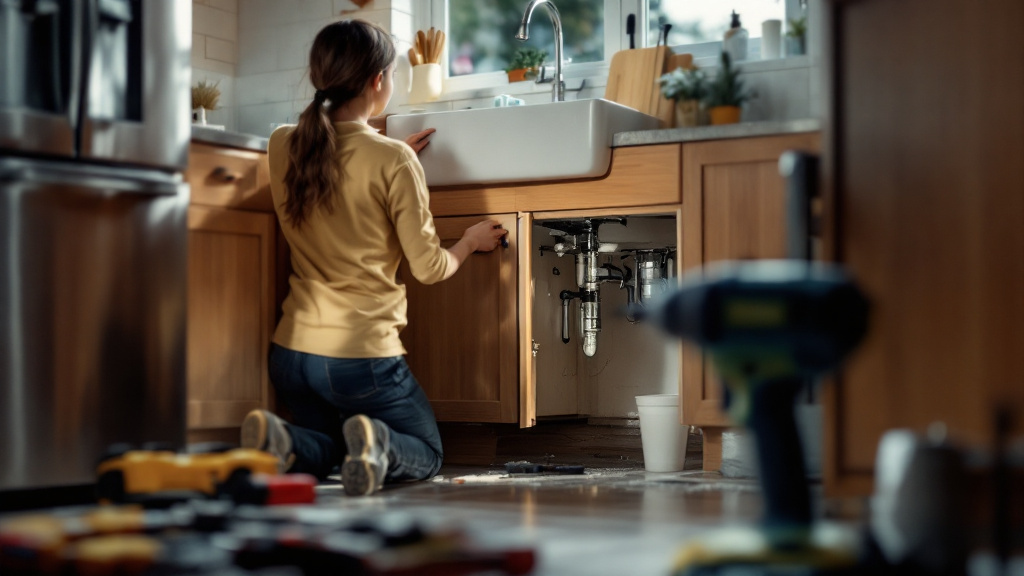
A dripping pipe, noisy appliance, cracked window, or slow drain can seem like a minor inconvenience. However, maintenance issues often worsen when they are ignored. A small leak can damage flooring, cabinets, insulation, and drywall. A struggling heating or cooling system may consume more energy before failing completely. Even a loose handrail or faulty outlet can become a serious safety hazard. The longer a problem continues, the more likely it is to require urgent labor, replacement materials, and additional restoration work.
The real repair cost also includes disruption. Residents may lose access to a kitchen, bathroom, bedroom, vehicle, or essential appliance while a larger failure is addressed. Property owners may face emergency callout fees, vacant units, insurance complications, or lost rental income. For households and property teams, preventive maintenance is usually less expensive than reacting to avoidable damage. Promptly identifying the right service category and arranging a qualified professional can protect both the property and the people who depend on it.
How Delays Increase Damage, Disruption, and Risk

Delayed repairs create a chain reaction. Moisture can lead to mold, warped materials, electrical damage, and unpleasant odors. A refrigerator that is not cooling properly can spoil food, while a washing machine vibration may signal a failing component that later damages flooring or plumbing connections. In a commercial or multi-unit property, one unresolved issue can affect neighboring spaces and interrupt several occupants at once. These consequences make repair costs difficult to predict and can turn a routine visit into a complex project.
A practical triage framework starts with three questions: Is anyone in immediate danger? Is the issue actively causing damage? And will waiting prevent the property from functioning normally? Electrical hazards, gas odors, flooding, sewage backups, loss of heat during cold weather, and compromised locks deserve immediate attention. Active leaks, failing security systems, and major appliance failures should usually be addressed the same day. Less urgent cosmetic defects can be scheduled during planned maintenance, but they should still be logged, monitored, and given a target date.
A Smarter Response Protects Properties and People

Effective property maintenance combines quick judgment with organized follow-through. First, make the area safe: shut off water or power when appropriate, contain active leaks, keep residents away from hazards, and document what happened with photos or video. Next, describe the symptoms clearly rather than guessing at the solution. Details such as unusual sounds, error codes, visible damage, timing, and affected rooms help a professional prepare and reduce misrouted requests.
A service such as FixMate can support this process by guiding diagnosis, matching customers with nearby verified professionals, and coordinating quotes, arrival windows, booking, payment, status updates, and reviews. Households, renters, offices, and property managers gain a clearer record of each job, while repair businesses receive more relevant local leads. The goal is not to treat every issue as an emergency; it is to make the right decision early. Consistent reporting, scheduled inspections, and preventive maintenance reduce repair costs, shorten disruption, and improve the tenant experience over time.